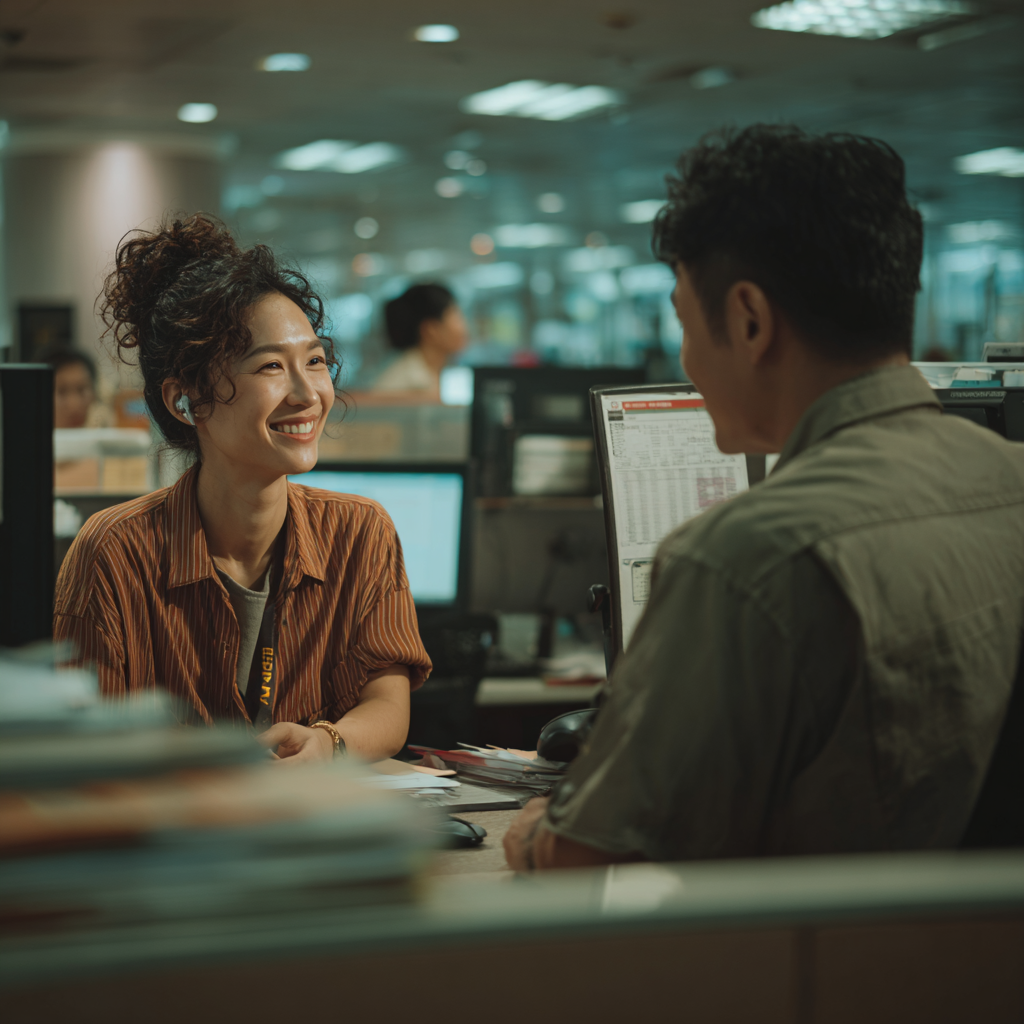
Bilingualism in Singapore is not a trend or parenting preference. It is a national operating system that shapes education, work, and social mobility. This blog will walk you through how Singapore’s bilingual framework works in practice, why it matters today, and what families and professionals often misunderstand about bilingual outcomes.
Why bilingualism in Singapore exists in the first place
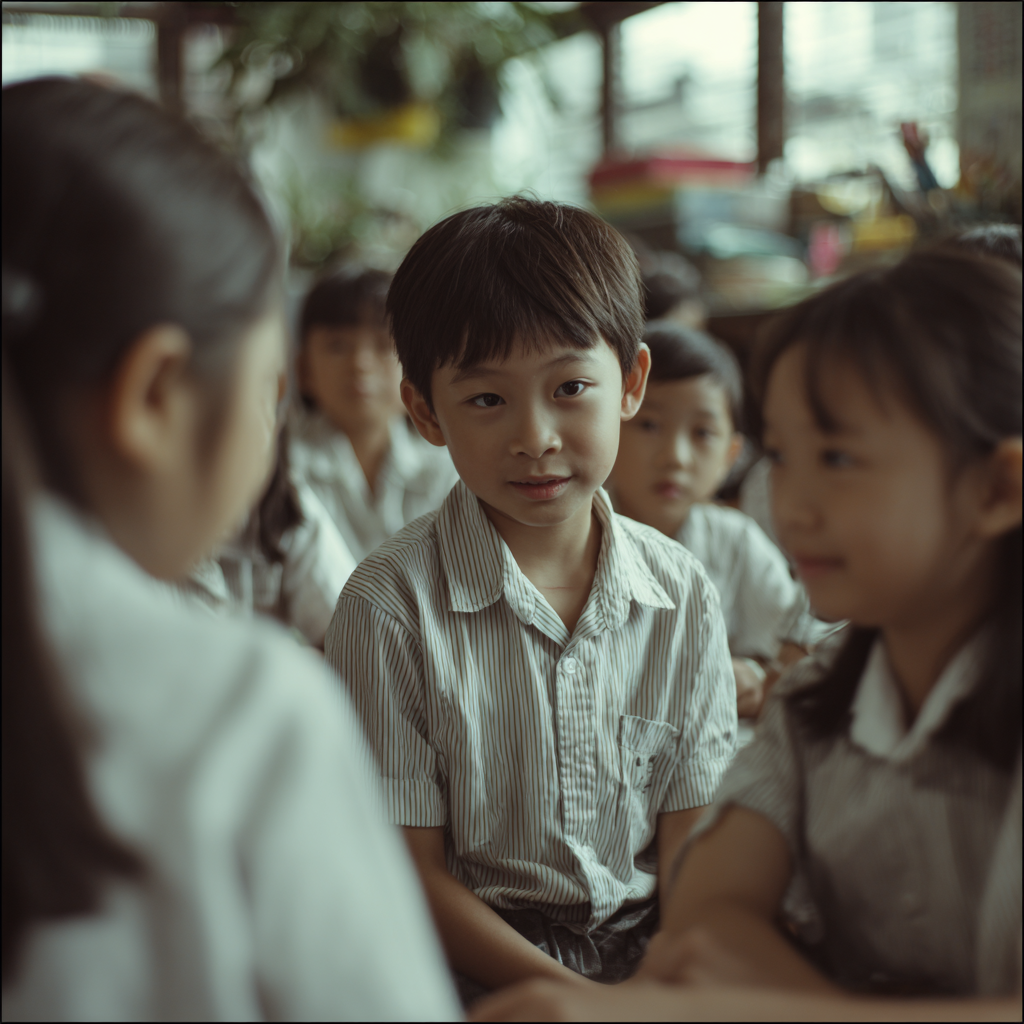
Singapore did not adopt bilingualism for cultural symbolism. It was designed as an economic and social stabiliser.
The modern bilingual policy took shape after independence, when English was positioned as the working language to connect different ethnic groups and global markets, while mother tongue languages anchored cultural continuity. English became the instructional medium. Mandarin, Malay, and Tamil became compulsory second languages.
This policy framework is administered by the Ministry of Education Singapore, which oversees curriculum design, assessment standards, and language benchmarks across all public schools.
Bilingualism in Singapore therefore has three defining attributes:
- English is the primary language of instruction.
- Mother tongue languages are compulsory subjects tied to ethnicity.
- Language outcomes are assessed through national examinations.
This structure explains why bilingualism here looks different from bilingual education in Europe or North America. It is not immersion-based. It is system-managed.
How the bilingual education system in Singapore actually works
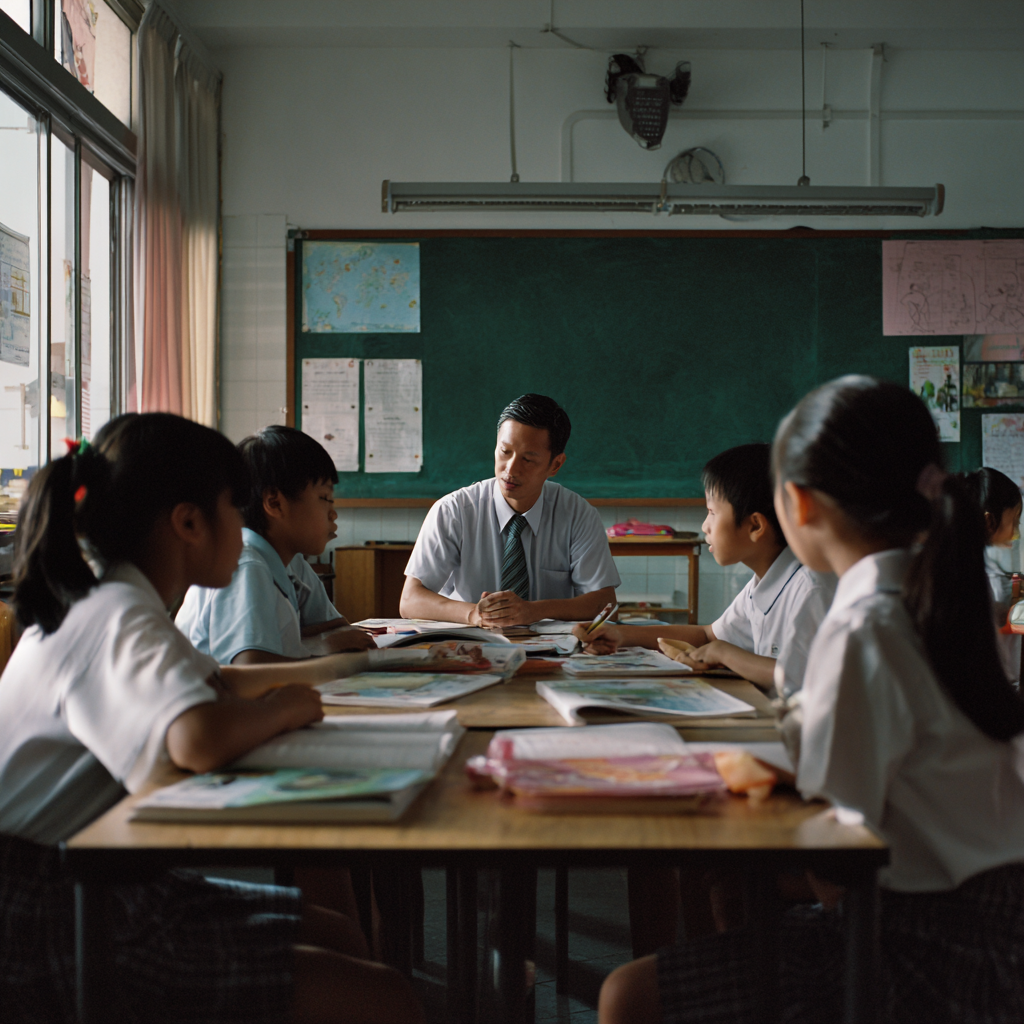
English-dominant education as the foundation
English is the language used for mathematics, science, humanities, and examinations. This creates consistency across schools and ensures access to global knowledge systems.
The result is an English-dominant education environment where academic reasoning, testing, and classroom discourse happen primarily in English. Mother tongue languages function as parallel subjects rather than co-instructional languages.
This distinction matters because many parents assume bilingual children receive balanced exposure. In reality, exposure is asymmetrical by design.
Mother tongue languages and ethnic classification
Singapore’s mother tongue policy assigns Mandarin, Malay, or Tamil based on officially registered ethnicity. Mandarin is taught to Chinese students regardless of home language use.
Over time, this has created a situation where many Chinese Singaporean children learn Mandarin as a school language rather than a home language. This pattern is reflected in population data on language use at home published in the Singapore Department of Statistics report on language spoken at home, which shows English steadily increasing as the dominant household language.
The MOE bilingual policy continuously adjusts curriculum pacing and assessment difficulty to address this gap, but structural constraints remain.
What bilingualism looks like in real Singapore classrooms
In practice, bilingual learning in Singapore schools follows predictable patterns:
- English dominates classroom interaction.
- Mother tongue classes focus on reading comprehension, structured writing, and examination formats.
- Spoken language exposure depends heavily on the teacher and peer environment.
This explains why many students perform adequately in written exams but struggle with spontaneous speech. The system optimises for literacy and test readiness, not conversational agility.
For families who want children to use Mandarin confidently outside school, this gap becomes visible by upper primary.
Benefits of bilingualism in Singapore beyond academics
Cognitive and decision-making advantages
Research consistently shows that bilingual individuals develop stronger cognitive flexibility and attentional control. In Singapore, this advantage is reinforced because students constantly switch between English logic structures and mother tongue linguistic patterns.
This mental switching ability has downstream benefits in:
- Problem-solving under time pressure
- Multitasking in complex environments
- Interpreting nuance across cultures
These traits align closely with Singapore’s professional ecosystem, particularly in finance, technology, and regional management roles.
Career relevance in Asian markets
Bilingualism in Singapore has direct labour-market value. Mandarin proficiency remains relevant in regional trade, supply chains, and client-facing roles across Southeast Asia and Greater China.
Employers increasingly differentiate between:
- Academic Mandarin competence
- Functional conversational Mandarin
This distinction explains the rising demand for applied language training beyond school syllabi.
For working adults, structured programs like conversational Chinese courses help bridge the gap between classroom knowledge and real workplace communication.
Challenges of bilingual education in Singapore
English dominance and language attrition
One persistent challenge is English dominance outside the classroom. English media, social platforms, and peer communication crowd out mother tongue usage.
As a result, many bilingual children in Singapore understand Mandarin passively but lack confidence producing it actively.
This is not a motivation issue. It is an exposure issue.
Exam-driven language learning
Another structural constraint is exam orientation. Mother tongue performance affects streaming and progression, which pushes teaching toward exam techniques rather than language use.
This creates a narrow definition of success that does not always align with real communicative competence.
Families who recognise this early often supplement school learning with targeted conversational practice.
Bilingual upbringing in Singapore homes
Home environment plays a decisive role in bilingual outcomes.
Households that succeed in bilingual upbringing typically share three characteristics:
- Clear language boundaries at home
- Consistent spoken language routines
- Low emotional pressure around mistakes
Many parents attempt bilingual exposure but revert to English during emotionally charged moments. Children quickly associate English with comfort and Mandarin with correction.
This behavioural pattern explains why effort alone does not guarantee results.
Professional guidance helps families design realistic language routines that align with Singapore’s school system rather than fighting it.
How Singapore’s bilingual policy affects adult learners
Bilingualism is often framed as a childhood issue. In Singapore, adult learners face a different reality.
Most adults received formal Mandarin education but lack fluency in professional or social settings. This gap becomes visible in:
- Client meetings
- Cross-border negotiations
- Networking with Mandarin-speaking partners
Adult bilingual learning therefore prioritises:
- Functional vocabulary
- Context-specific sentence patterns
- Listening accuracy across accents
Programs such as business-focused Mandarin training offered through structured curricula are designed to meet these applied needs.
Why conversational ability is the missing layer in Singapore bilingualism
Singapore’s bilingual system produces literacy. It does not automatically produce conversational fluency.
Conversation requires:
- Real-time processing
- Cultural pragmatics
- Error tolerance
These elements are largely absent from exam-based learning.
This is where targeted conversational training becomes essential, not optional. Programs aligned with real Singapore usage patterns help learners convert dormant knowledge into active language skill.
How this connects to real learning outcomes
Effective bilingual education in Singapore works when all three layers align:
- School curriculum for literacy
- Home environment for exposure
- Applied training for usage
Ignoring any one layer creates imbalance.
Families and professionals who recognise this early avoid years of frustration and language stagnation.
Conclusion
Bilingualism in Singapore is structured, intentional, and powerful when understood correctly. Its limitations are not flaws but design choices. The real advantage comes when learners supplement formal education with applied language use.
If your goal is confident, usable Mandarin rather than exam scores alone, structured conversational training makes the difference.
Explore how practical Mandarin communication is built step by step through real-world contexts with Linda Mandarin’s conversational programmes.
Frequently Asked Questions
Is bilingualism in Singapore effective compared to other countries?
Yes, Singapore’s bilingual policy achieves high literacy standards. The trade-off is limited conversational exposure, which often requires supplementary practice outside school systems governed by the Ministry of Education Singapore.
Why do many bilingual children struggle to speak Mandarin fluently?
English dominates both school instruction and social life. Without sustained spoken Mandarin exposure, passive understanding develops faster than active speech.
Can adults still benefit from bilingual learning in Singapore?
Absolutely. Adult learners with prior Mandarin education often progress quickly when training focuses on applied conversation rather than academic structures.
Does the mother tongue policy still matter today?
Yes. The Singapore mother tongue policy continues to shape curriculum, assessment, and language expectations, even as home language use evolves.